
SaaS Backlinks: The Complete Guide to Building Authority Without Agency Markups
If you’ve priced out link building for a SaaS product, you’ve probably seen two very different worlds. On one end, generic marketplaces selling links on “business and finance” blogs that have nothing to do with software. On the other, agencies quoting five figures a month for a strategy you never actually see until the invoice arrives. Neither gets you what you actually need: links from sites Google already associates with SaaS.
This guide covers what SaaS backlinks are, why niche relevance matters more than raw domain authority, and how to build a backlink profile that compounds instead of one that gets flagged.
What counts as a “SaaS backlink“
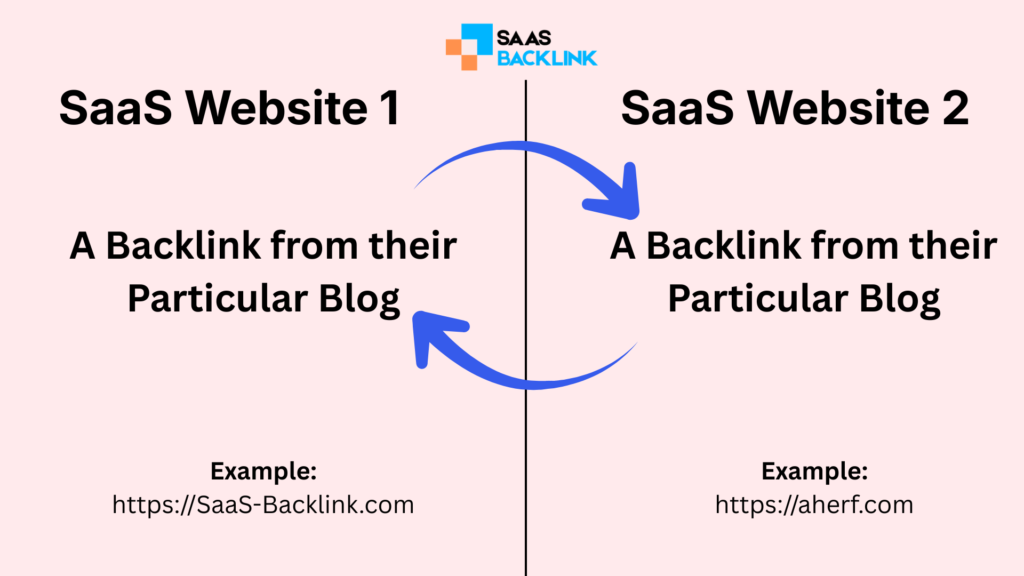
Not every link pointing at your domain is a SaaS backlink. A link from a general lifestyle blog or an unrelated directory technically counts as a backlink, but it does very little for a software product’s search visibility. A SaaS backlink is a link that a site earns from being treated by Google as topically relevant to software, technology, or B2B business, a SaaS review site, a martech blog, a startup publication, a tool comparison page, or an industry newsletter with real readers.
The distinction matters because Google’s ranking systems weigh topical relevance alongside raw authority metrics. A link from a 40-DA SaaS blog with genuine organic traffic will often outperform a link from a 70-DA general news site that has published on every topic under the sun. Relevance multiplies; authority serves as just one input.
Why generic link building underperforms for SaaS
Most link building services are built for local businesses, e-commerce, or general content sites, not software. When a SaaS company buys from a generalist provider, three things tend to go wrong:
The publisher isn’t actually in your niche: You get a link from a site that covers everything from recipes to insurance, which dilutes topical signal and can look unnatural in your backlink profile.
The traffic is fake or stagnant: A lot of cheap link inventory sits on sites with impressive-looking DA scores but near-zero real organic traffic, a sign the site is built for link selling, not readers.
The placement doesn’t survive: Links on low-quality or overused sites get pulled, buried under new content, or the whole site gets deindexed, and your investment disappears with it.
This is why a niche-specific approach, sourcing SaaS backlinks, tech, and B2B publications with real editorial standards, produces a backlink profile that holds up over time instead of decaying within a few months.
What a healthy SaaS backlink profile looks like
A few benchmarks worth aiming for when evaluating any placement, whether you build it yourself or use a service:
- Minimum organic traffic. A publisher should have real, verifiable organic or referral traffic, not just a domain authority number. 1,000+ monthly organic visitors is a reasonable floor.
- Clean backlink profile on the publisher’s own site. If the site you’re getting a link from is itself linking out to spammy destinations, that risk transfers to you.
- Editorial review, not automated publishing. Sites that publish anything for a fee with no editorial gate tend to be the first ones hit when Google runs a link-spam update.
- Topical fit. SaaS tools, technology publications, startup media, digital marketing blogs, and AI-focused sites are the core relevant categories — not general news or unrelated niches.
- Permanence. Look for placements with a replacement guarantee if a link is ever removed or a site goes down, rather than a one-time “best effort” placement.
Guest posts vs. editorial link insertions
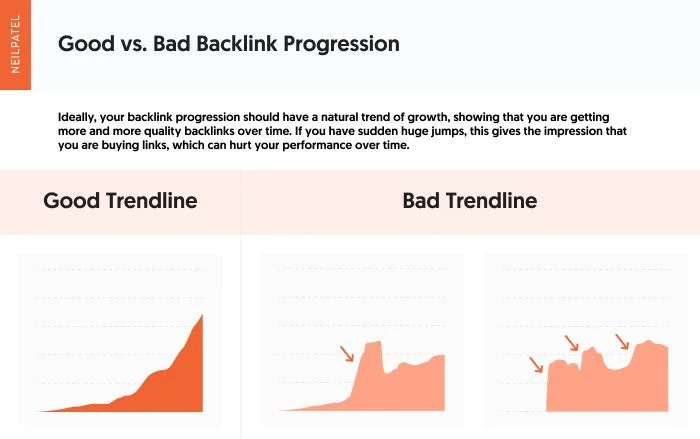
There are two common ways to earn a SaaS backlink, and each has a place in a balanced strategy.
Guest posts involve writing an original article for a publisher in exchange for a byline and a contextual link. These work well for building topical authority because you control the content and can target specific keywords and anchor text naturally within a full piece.
Editorial link insertions (sometimes called niche edits) place your link into an existing, already-ranking article on a relevant site. These tend to move faster since there’s no new content to write, and they can be effective when the existing article already ranks for a keyword adjacent to your product.
A relevat saas backlink profile usually blends both — guest posts for topical depth and brand storytelling, insertions for speed and efficiency on specific target pages.
How to evaluate a SaaS backlinks provider
If you’re outsourcing rather than doing manual outreach yourself, ask any provider three questions before paying anything:
- Can I see the exact publisher before content is written or payment is finalized? Pre-approval transparency is a strong signal of a legitimate operation — it means you’re not paying for a mystery placement.
- Is pricing tied to real metrics (DA, traffic, niche) or is it a flat rate regardless of quality? Flat-rate-regardless-of-site pricing is a red flag for a marketplace padding out low-quality inventory.
- What happens if the link is removed? A replacement guarantee within a defined window (six months to a year is standard) protects your investment.
Building authority without the agency price tag
The core inefficiency in traditional SEO agency link building is the layer of account management, retainers, and markup sitting between you and the actual publisher relationship.
A specialized SaaS backlink service can strip that layer out, sourcing directly from a vetted network of SaaS-relevant publishers, showing you the metrics and the site before you commit, and pricing per placement instead of per retainer month.
That’s the gap a dedicated SaaS link building service is built to close: real SaaS sites, transparent pricing, no contracts, and reporting you can actually verify — the DA, the traffic, the live URL, and the anchor text used.
The bottom line
SaaS backlinks only work when they come from places genuinely relevant to software and technology, sourced with editorial standards, and backed by transparency about where your money is actually going.
Skip the generic marketplaces and the retainer-heavy agencies, and evaluate any link building relationship — in-house or outsourced — against the same bar: real traffic, real relevance, real permanence.